


ICAR-CIFT’s Shrimp Shell Biorefinery Technology - Towards Enhancing Blue Economy
Indian shrimp production is estimated to be closer to 12 Lakhs tons and mainly contributed by the white leg shrimp production. More than 85% of shrimp produced is diverted to organized processing sector for international market. Almost 90% of shrimp exported is in the processed form. Shrimp processing generates 45-50 % of raw material as waste. Hence, it can be safely assumed that in India shrimp processing waste is available at a quantity of 6 lakhs tons.
Composition of shell waste
The shell waste contains water, protein, minerals, chitin, lipids and other minor compounds including pigments, carotenoids. In terms of quantity, aforementioned components tend to vary due to various intrinsic and extrinsic factors.
Proximate composition of shell waste
|
Constituents |
Quantity |
|
Water |
65-70% |
|
Protein |
9-12% |
|
Lipid |
0.5-3% |
|
Minerals (Ash) |
8-13% |
|
Chitin |
3-5% |
From the compositional data, shrimp processing waste available in India is equivalent to a dry mass of 1.5 Lakhs tons. This waste can be the potential source of raw material to recover the protein content of 54000-72000 tons and the chitin polymer closer to 18000 tons, and Shrimp lipids of 12000 tons.
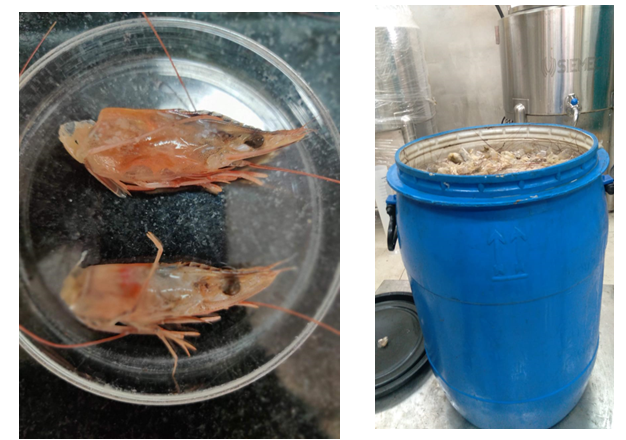
Conventional Products from Shrimp Shell waste
Shrimp meal
Briefly, shrimp meal preparation involves cooking of shrimp waste, screw pressing, drying of the residue, and pulverization into powder. The end product tends to have more ash and chitin which limits its utilization as a protein rich meal in animal feed industry.
Chitin
Conventional process use Alkali for de-proteinization (Each ton of raw material required around 20-30 kg caustic soda), and acid for demineralization (each ton of raw material required around 200-300 Litre concentrated HCl). Minimum 10-fold water is required in between the processing steps for washing. Conventional processing generates huge amount of effluent rich in protein and salts. The proteins are wasted or used as manure. Industry faces more expenses towards treating the liquid and solid waste. From healthy environmental point of view, is not a sustainable process.
Protein recovery is the Key for the sustainability of chitin industry
Application of enzymes in recovering the protein minimize the use of Alkali required for de-proteinization drastically. Use of acid is essential to demineralise the shell waste to obtain chitin polymer with a better purity. However, reduction in volume of raw material due to enzymatic deproteinization minimise the quantity of acid required by two-fold. Similarly, required amount of water in between the process for washing is reduced to 6-7-fold from 10-fold water requirement. The proteins are recovered in the form of hydrolysates which become another product of interest with a better market value.
Expenses towards treating the liquid and solid waste reduced by half as the most of the organic material that is protein is recovered. Production cost is slightly high due to enzyme input but it brings revenue as another valuable by product is obtained. Moreover, the protein content in shell waste almost 2.5-fold higher than the chitin, but has similar selling price. Hence, recovering the protein strengthen the profit.
ICAR-CIFT’s shrimp shell biorefinery Technology involves unique combination of enzymes and carefully sequenced processing operations for improved utilization of raw material and high value realization.
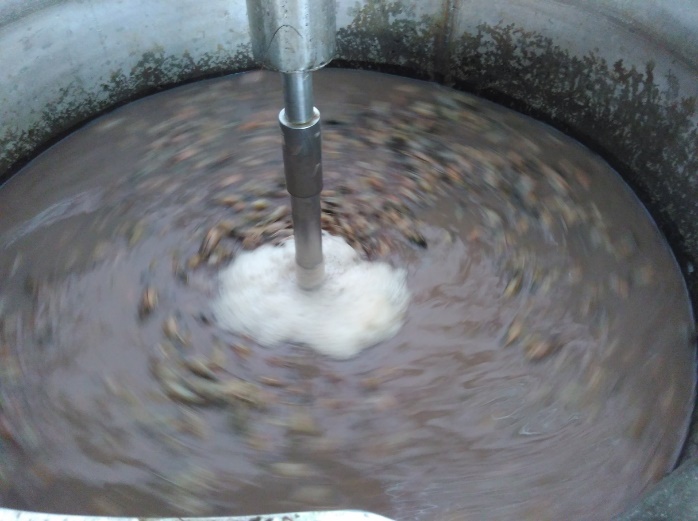
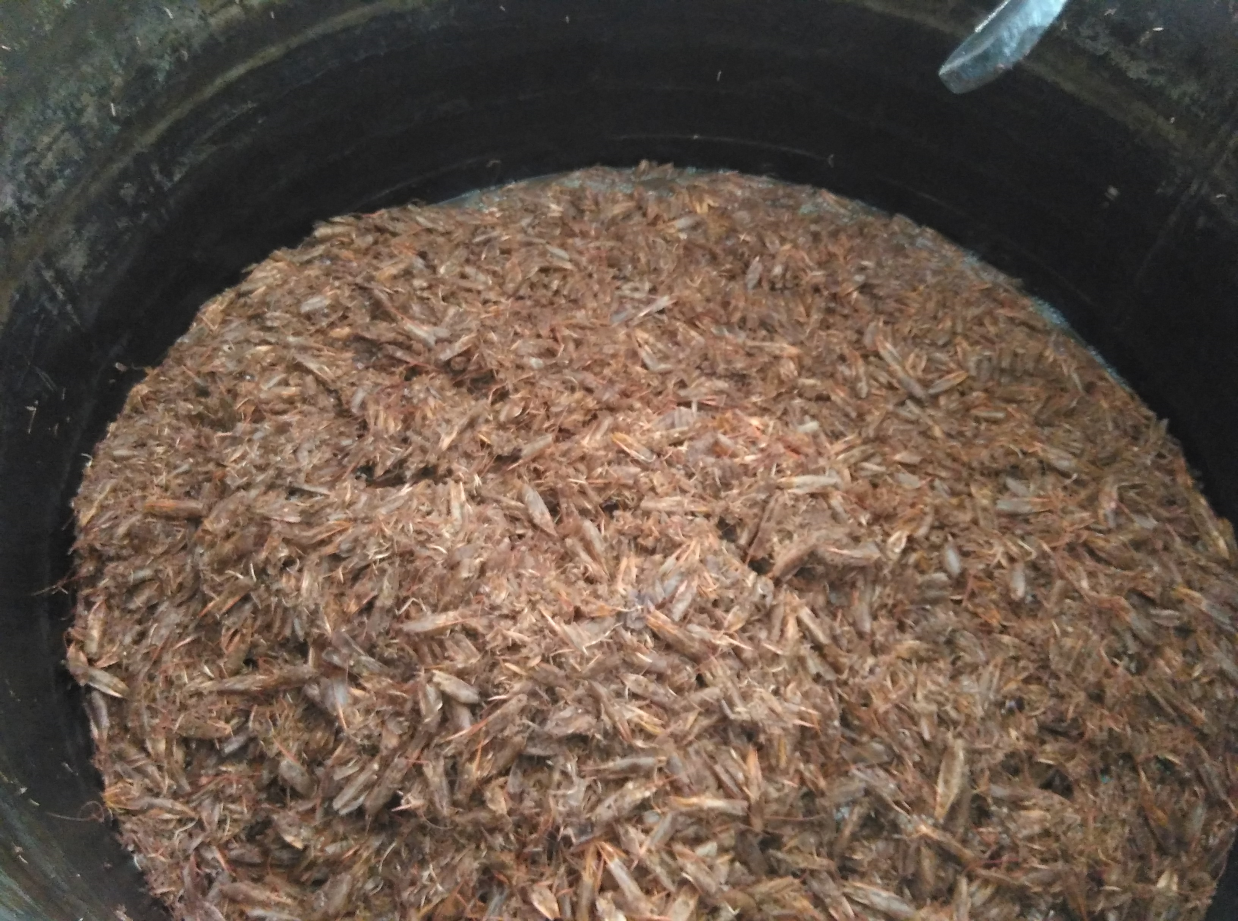
ICAR-CIFT’s Shrimp Shell Biorefinery – Towards valorization of shrimp shell waste
Biorefinery approach of ICAR-CIFT involves mechanical separation of loosely bound proteins/tissue portions, enzymatic deproteinization of strongly bound proteins in the shell and further refining of the residues through limited usage of alkali and demineralization to meet the specification of chitin-a highly useful biopolymer. This technology is also coupled with biopolymers assisted flocculation and separation of astaxanthin rich carotenoproteins. Minerals present in the shell is the only unutilized compound leached in the effluent. Depends on the need, mechanically separated protein can be converted in to high protein shrimp meal, and shrimp protein hydrolysate. Chitin is further converted in to number of derivatives including glucosamine hydrochloride, chitosan and different salts of chitosan.
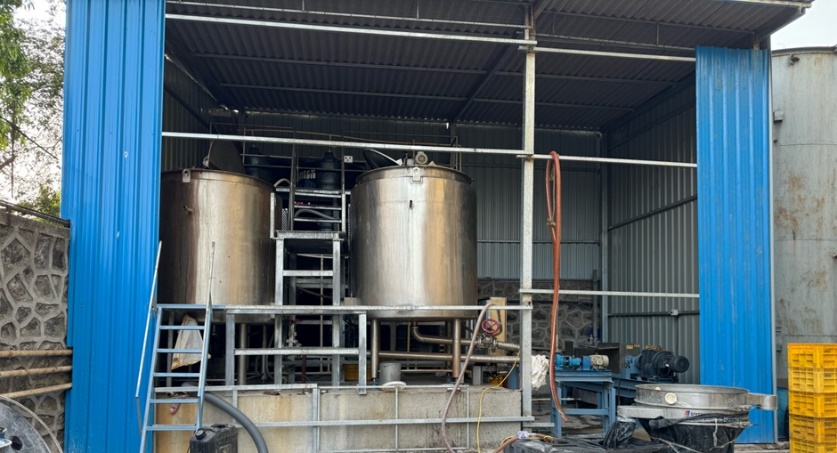
Established Shrimp shell biorefinery plant with the processing capacity of 2 tons per day under the technical support of ICAR-CIFT, Cochin in Taloja, Mumbai.
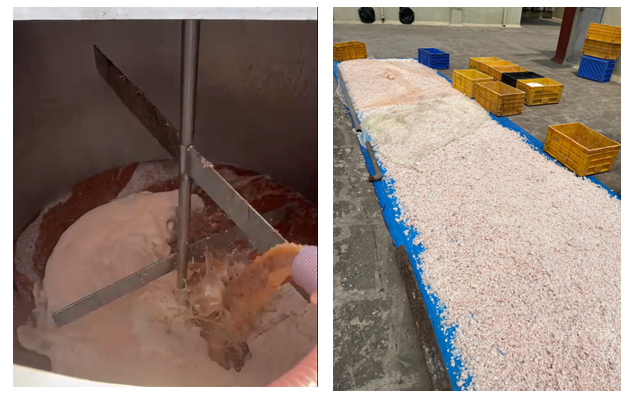
Hydrolysed shrimp protein liquid and chitin from shrimp shell waste at the biorefinery plant established by the support ICAR-CIFT, Cochin
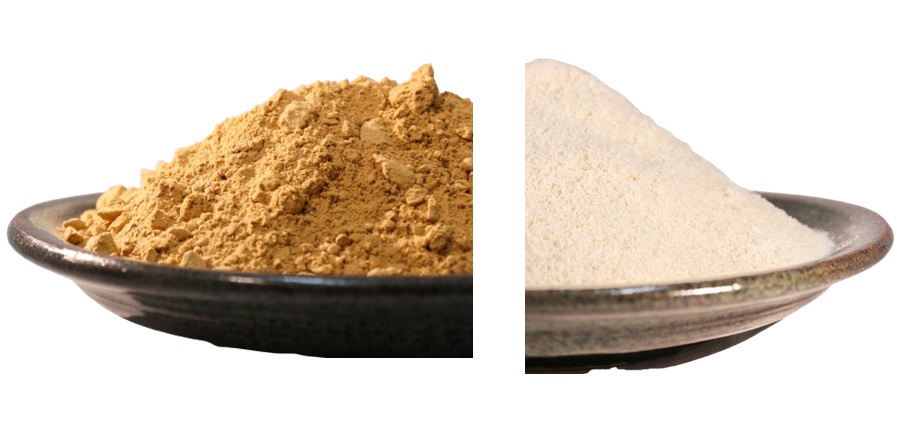
Shrimp protein hydrolysate and chitosan produced at Industrial scale by ICAR-CIFT’s Technology
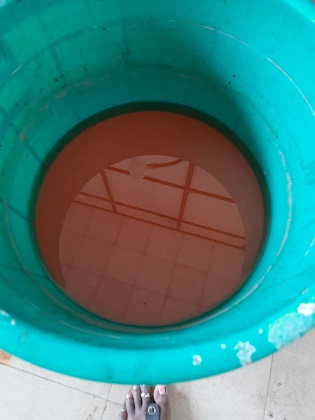
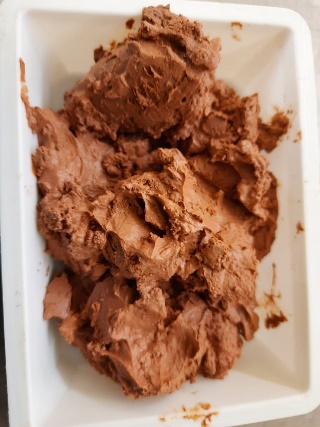
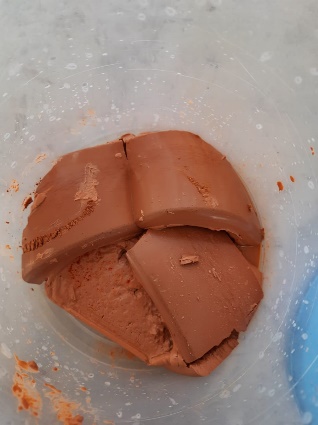
Shrimp carotenoprotein recovered from alkali effluent using biopolymer-based flocculants developed by ICAR-CIFT
How do you want to value the shrimp shell waste? ICAR-CIFT is at your service.
One kg shrimp shell waste + ICAR-CIFT’s Technology = Value realization Minimum Rs.150

Page Last Updated on 2026-09-04
Visitors Count :

All rights reserved © Central Institute of Fisheries Technology (CIFT)
Website Powered by Cloud Business Pages from INI Technologies Pvt Ltd, India