


ICAR-CIFT Hosts Workshop on Theory of Change to Strengthen Fisheries Research Impact
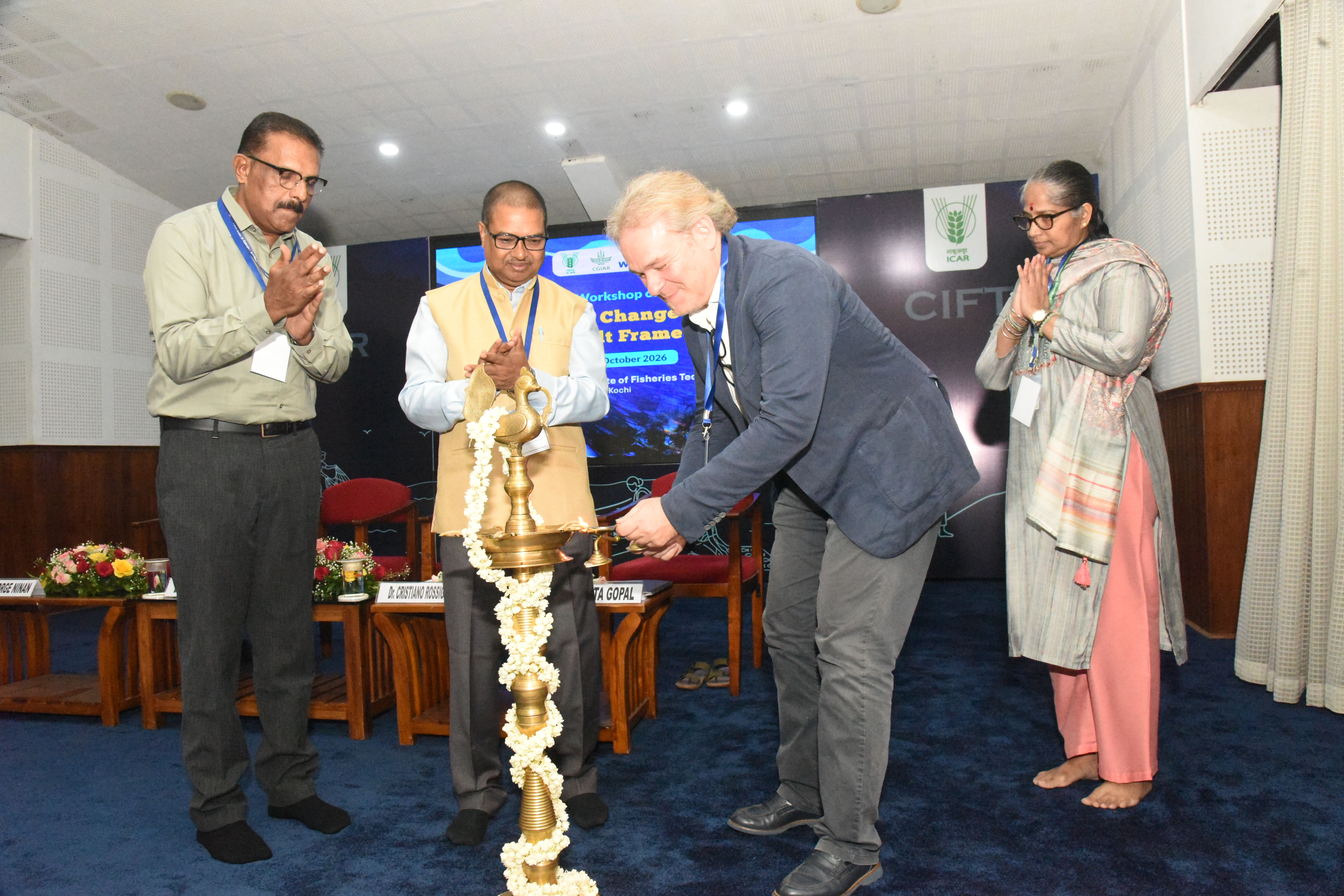
The ICAR–Central Institute of Fisheries Technology (ICAR-CIFT), Kochi, inaugurated a three-day workshop on “Building Organisational Theories of Change for Fisheries Research Institutes” on 12 October 2026. The workshop, being held from 12 to 14 October, aims to strengthen strategic planning, align research priorities with national development goals, and enhance the impact of fisheries research. It brings together representatives from all fisheries institutes under the Indian Council of Agricultural Research (ICAR) and other institutions to deliberate on institutional strategies for enhancing research outcomes and impact.
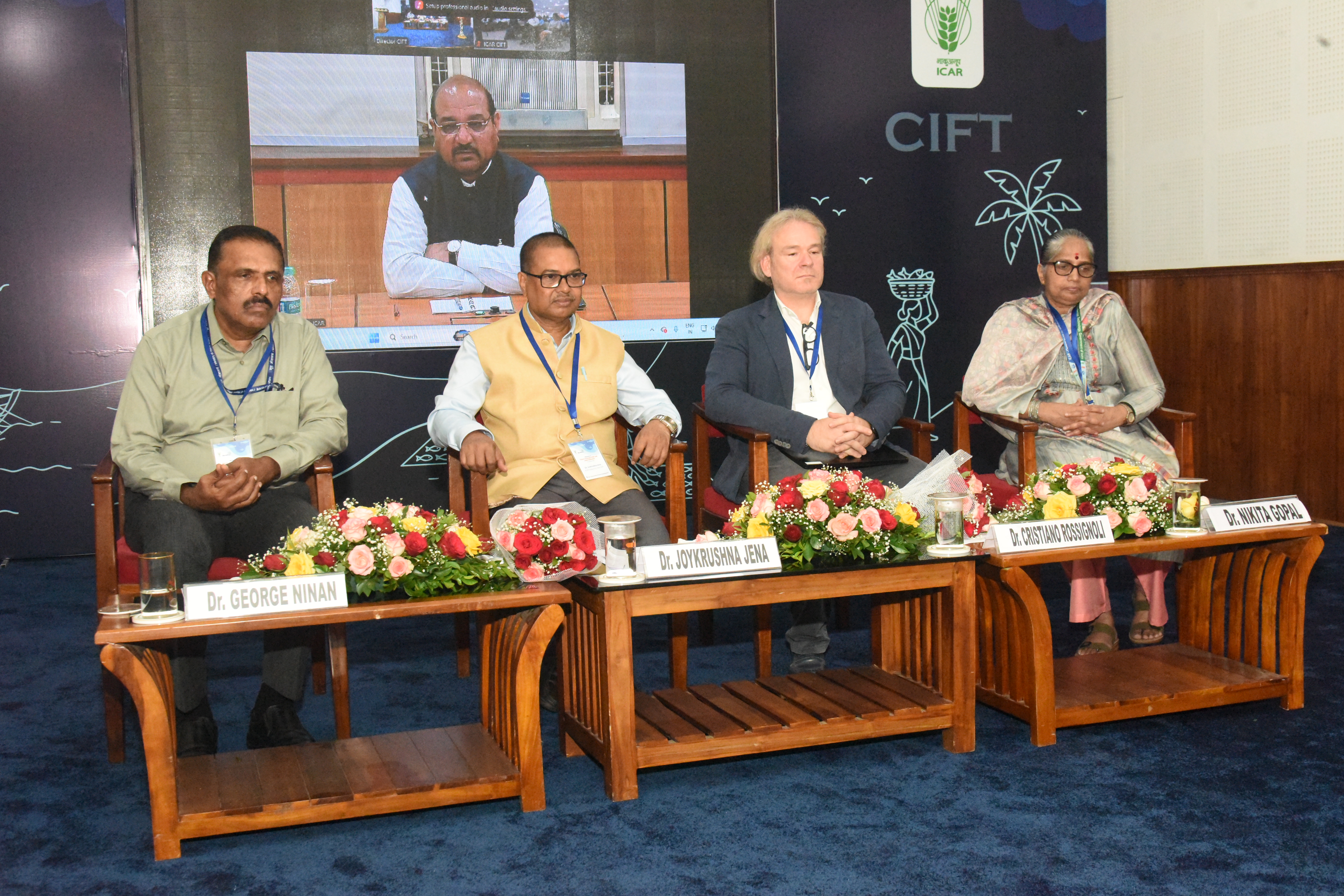
Dr M. L. Jat, Secretary, Department of Agricultural Research and Education (DARE), and Director General, Indian Council of Agricultural Research (ICAR), inaugurated the workshop virtually. In his inaugural address, he emphasised the importance of identifying strategic priorities, strengthening interdisciplinary and inter-institutional collaboration, and effectively utilising available resources to achieve long-term national development outcomes. He also encouraged participants to focus on learning and collaborative planning while developing the framework.
“We need to develop a broad framework for the Theory of Change across ICAR institutions and refine it at the SMD, divisional and institutional levels. Our research priorities must align with national development goals, supported by effective collaboration and strategic use of resources, to ensure that research outputs translate into meaningful outcomes and lasting societal impact,” Dr Jat said.
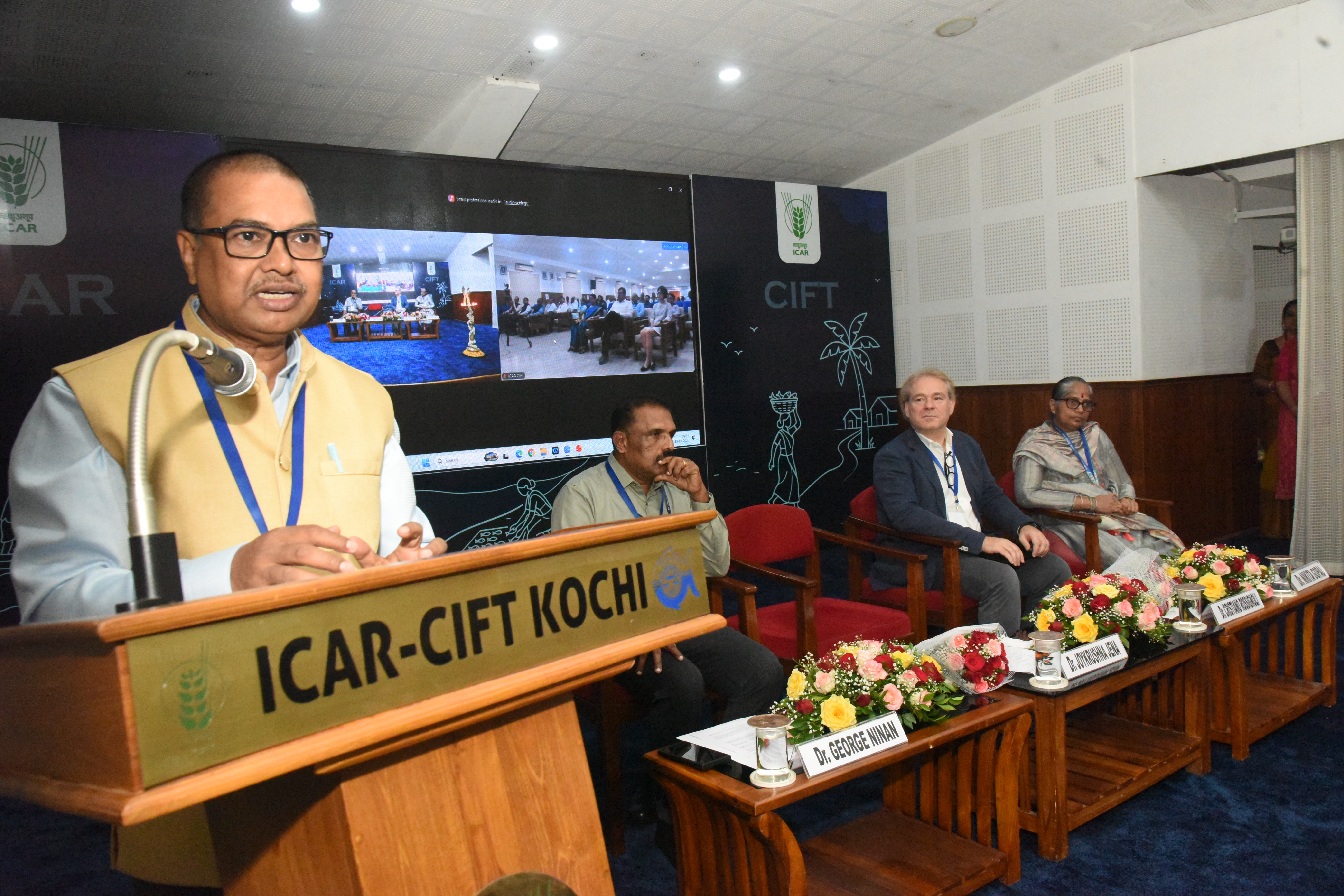
Dr J. K. Jena, Deputy Director General (Fisheries Science), ICAR, New Delhi, addressed the participants. Emphasising the need to align research with national priorities, Dr Jena highlighted the importance of moving beyond research outputs to deliverables that create tangible benefits for society. He stressed that research priorities should be guided by the country’s development goals and that technologies and innovations must reach communities, farmers, fishers and entrepreneurs to generate meaningful change.
Dr Cristiano Rossignoli, Lead, Monitoring, Evaluation, Learning and Impact Assessment (MELIA), WorldFish, Malaysia, highlighted that research impact extends beyond the development of technologies, publications and scientific knowledge. He underscored the importance of monitoring, evaluation and learning in assessing whether research interventions are producing the intended changes. He also emphasised the role of evidence in improving decisions, strengthening partnerships and ensuring that research contributes to better livelihoods, nutrition and environmental resilience.
The workshop focuses on developing organisational Theories of Change (ToCs) that clearly connect research activities and outputs with intended outcomes and long-term impacts. It aims to help participating institutions identify key challenges, define development goals, map stakeholders and partnerships, and establish pathways through which research can contribute to sustainable fisheries development.
The first day’s sessions covered the fundamentals of the Theory of Change, institutional priorities, intended outcomes, assumptions and impact pathways. Institutional presentations, group discussions and practical exercises provided participants with opportunities to identify challenges, assess existing approaches and develop preliminary frameworks. The participation of representatives from all ICAR fisheries institutes and members of the ICAR–National Academy of Agricultural Research Management (NAARM) provides a platform for sharing institutional experiences, strengthening collaboration and developing a coordinated approach to outcome-oriented fisheries research.
The sessions on 13 and 14 October will focus on refining institutional Theories of Change, identifying strategic interventions and partnerships, assessing risks and assumptions, and developing indicators and evidence frameworks for monitoring progress. The discussions will also address how monitoring, evaluation, accountability and learning can support adaptive management and evidence-based decision-making.
The workshop is expected to strengthen institutional capacity for outcome-oriented research planning and support the development of a coherent framework linking research investments with national development priorities. The initiative aims to ensure that scientific outputs translate into measurable benefits for the fisheries sector and society.
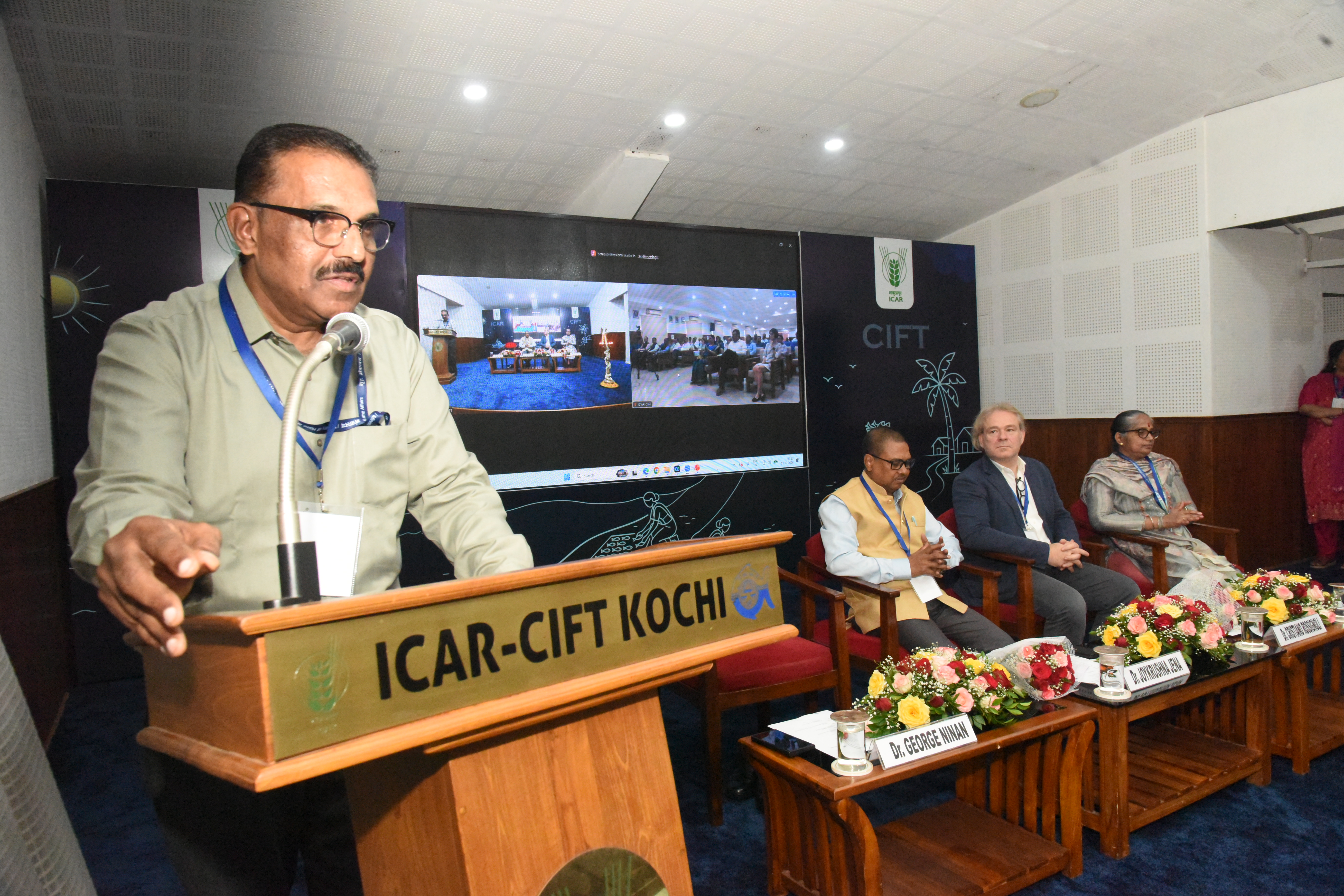
Dr George Ninan, Director, ICAR-CIFT, and Dr Nikita Gopal, Head, Extension, Information and Statistics Division, ICAR-CIFT, also addressed the gathering during the inaugural session
Page Last Updated on
Visitors Count :

All rights reserved © Central Institute of Fisheries Technology (CIFT)
Website Powered by Cloud Business Pages from INI Technologies Pvt Ltd, India